Perawatan Permukaan (Surface Treatment)
Ikhtisar Industri
Fitur Utama
Techniques vary depending on the substrate. Plasma and corona treatments introduce polar groups to polymer surfaces, increasing surface energy. Chemical etching removes oxides and contaminants from metals. Mechanical abrasion roughens surfaces to improve mechanical interlocking.
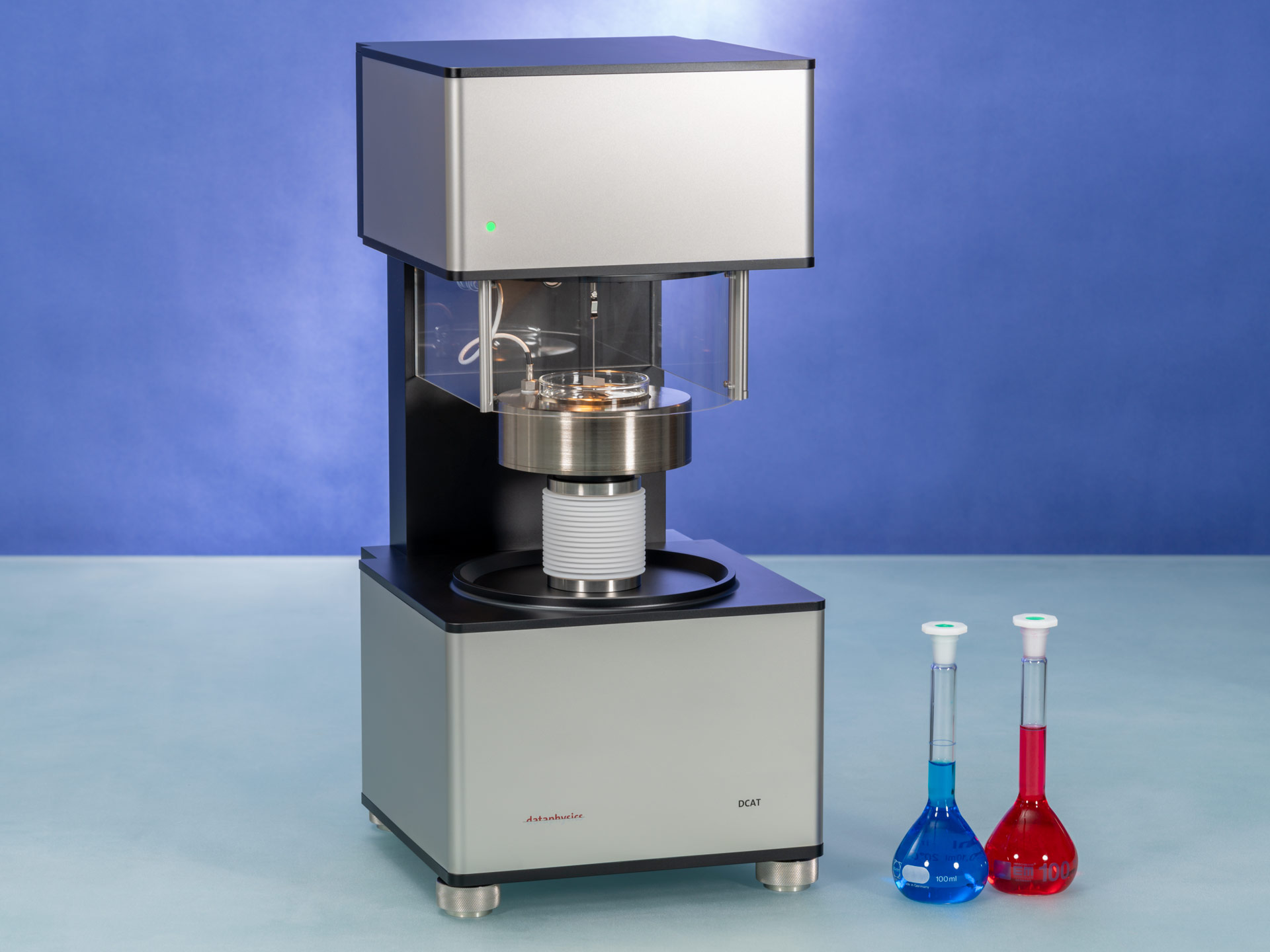
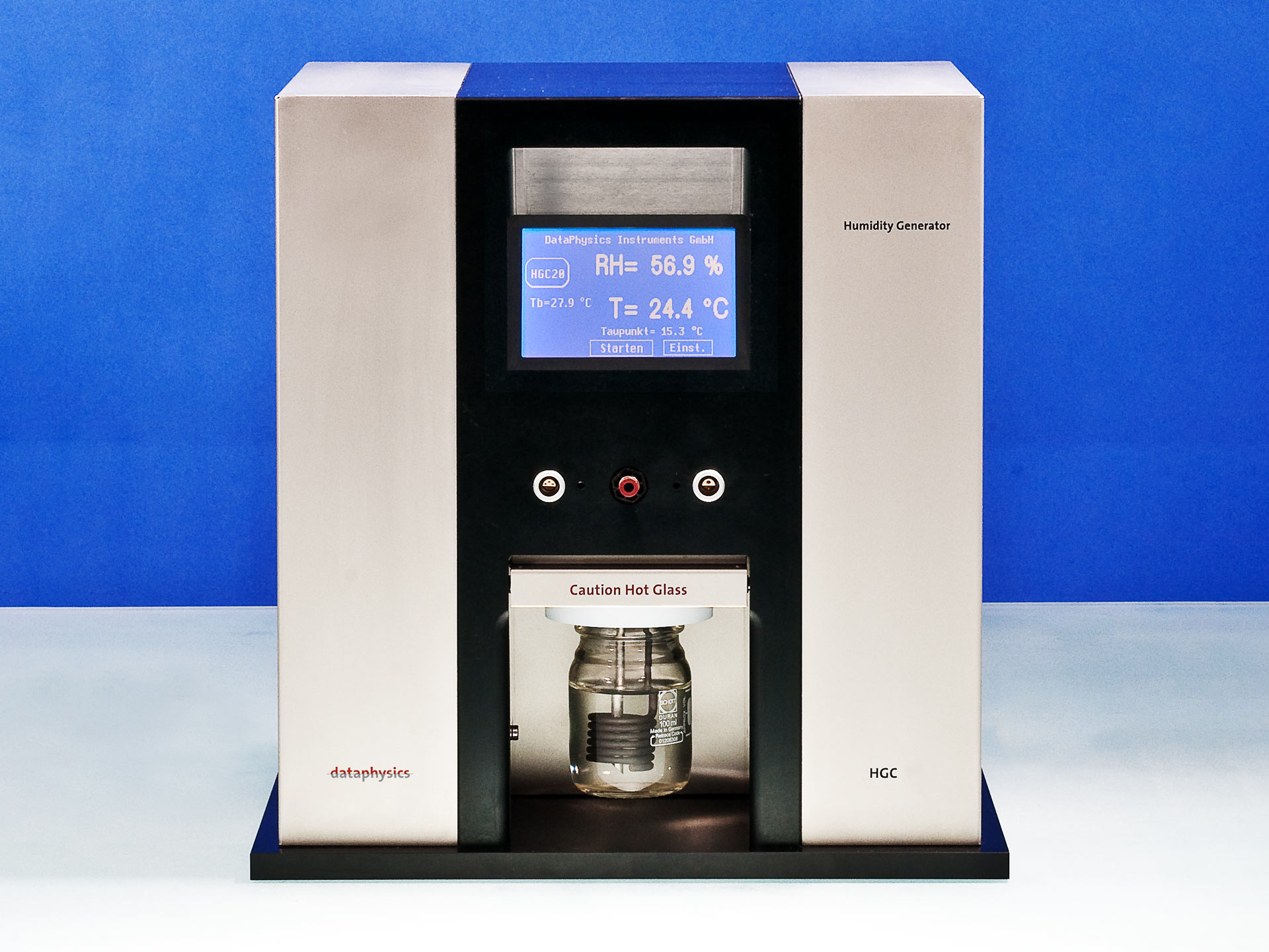
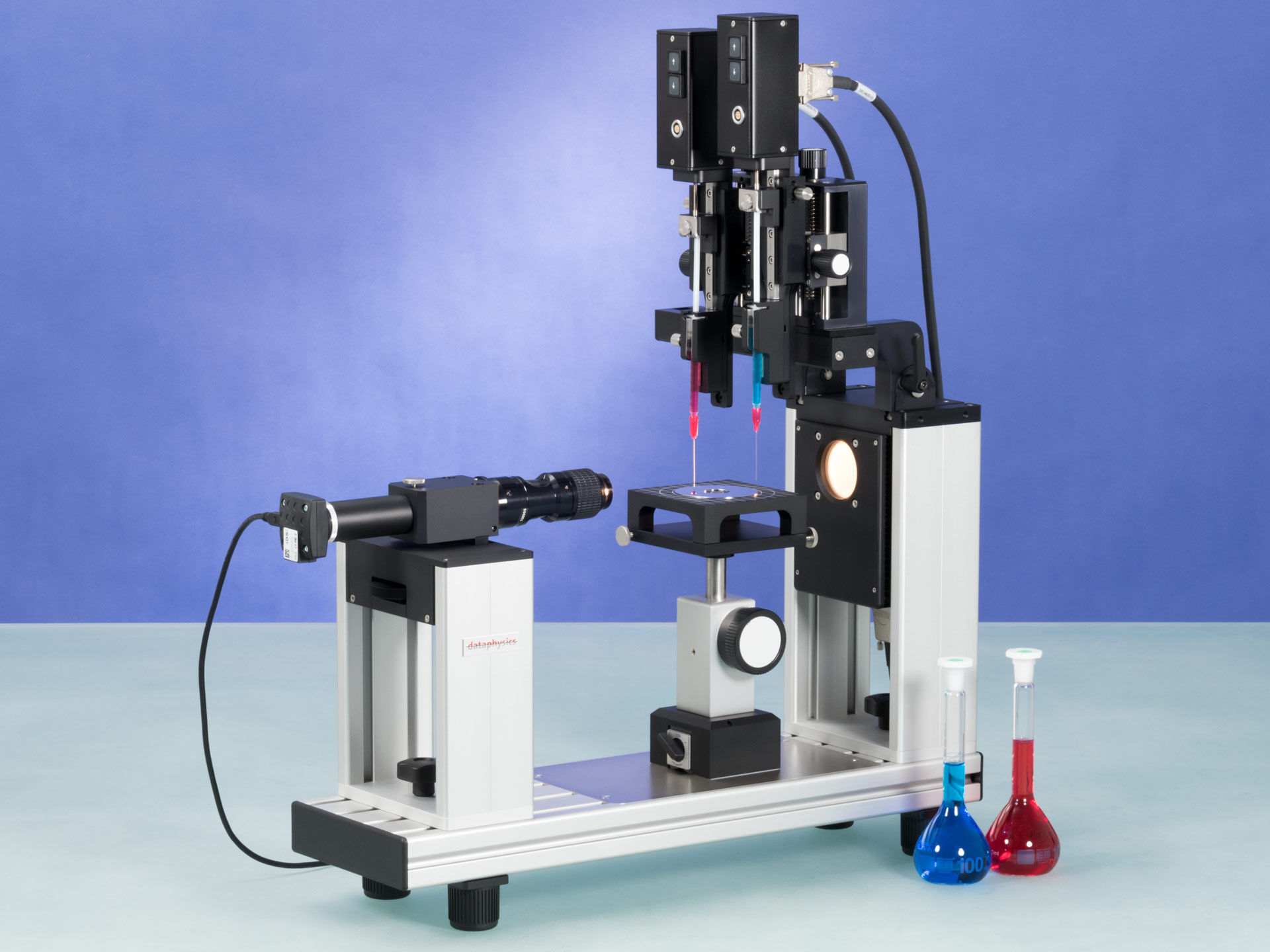
DataPhysics Instruments allow manufacturers to quantify these changes. The OCA series measures contact angles before and after treatment, providing direct evidence of improved wettability. The DCAT tensiometer evaluates surface tension and interfacial tension, offering insights into how treatments affect liquid-substrate interactions. The HGC humidity generator enables testing under controlled environmental conditions, ensuring treatments remain effective in real-world scenarios.
In R&D, these tools help optimize treatment parameters, such as plasma exposure time or chemical concentration. In production, they support quality assurance by providing reproducible, automated measurements that can be integrated into workflows. This ensures consistency across batches and compliance with industry standards.
Surface treatment is not just a preparatory step—it is a critical process that determines the success of coatings, adhesives, and printing. By providing precise, reproducible data, DataPhysics Instruments empower manufacturers to validate and optimize treatments, driving reliability and innovation.
Tes & Aplikasi Khas
- Contact Angle Measurement (OCA)
- Purpose: Evaluate wettability improvements.
- Application: Compare surfaces before and after treatment.
- Benefit: Quantify treatment effectiveness.
- Surface Free Energy (OCA)
- Purpose: Determine energy components of treated surfaces.
- Application: Match substrates to coatings/adhesives.
- Benefit: Ensure optimal adhesion.
- Surface & Interfacial Tension (DCAT)
- Purpose: Assess liquid-substrate interactions.
- Application: Evaluate treatment impact on spreading behavior.
- Benefit: Improve coating uniformity.
- Dynamic Contact Angle & Hysteresis (OCA, DCAT)
- Purpose: Analyze advancing/receding angles.
- Application: Understand how treatments affect dynamic wetting.
- Benefit: Predict long-term adhesion performance.
- Environmental Testing (HGC)
- Purpose: Simulate humidity exposure.
- Application: Validate treatment durability under real-world conditions.
- Benefit: Ensure consistent performance.
These tests provide manufacturers with the data needed to validate and optimize surface treatments, ensuring reliable adhesion and long-term durability.
Sumber Daya Industri
Tidak Ada Sumber Daya Tersedia
Kami sedang memperbarui perpustakaan sumber daya kami untuk industri ini. Periksa kembali segera atau hubungi kami untuk meminta dokumentasi khusus.
Minta DokumentasiProduk Pendukung
 Contact Angle & Surface Tension
DCAT – Alat Ukur Sudut Kontak Dinamis dan Tensiometer
Seri DCAT menggabungkan perangkat pengukur sudut kontak dinamis dan tensiometer gaya untuk mengevalu...
 Contact Angle & Surface Tension
HGC – Generator dan Pengontrol Kelembaban
Seri HGC menawarkan pembangkitan kelembapan mandiri dan kontrol presisi untuk ruang lingkungan beruk...
 Oil Analysis
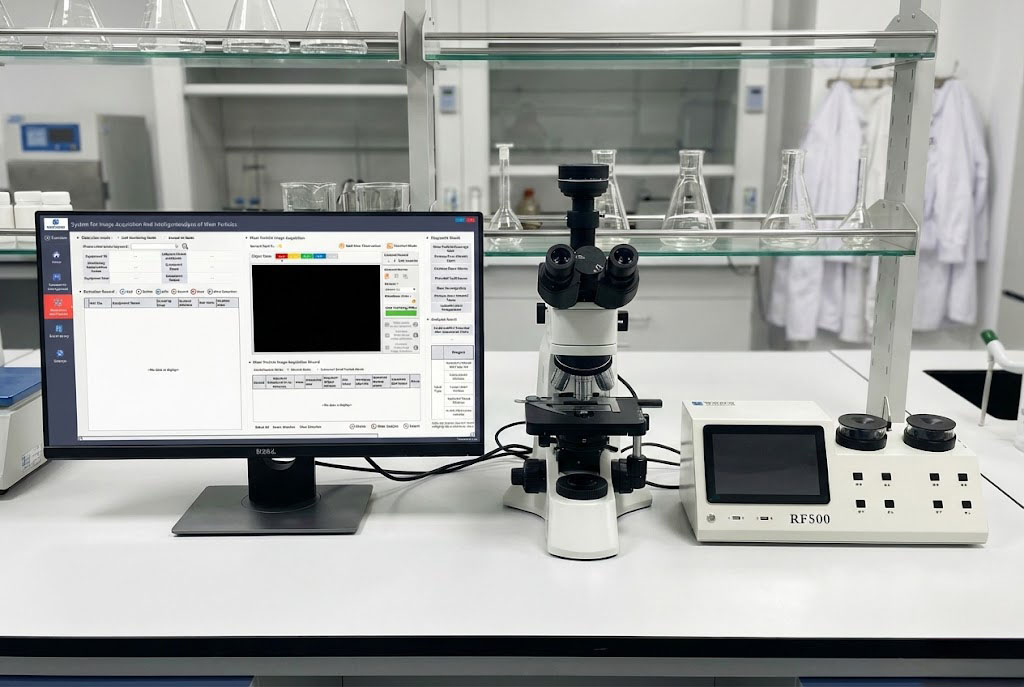
Intelligent Ferrography Lab (IFL-500 Series)
The Intelligent Ferrography Lab (IFL-500) is the world’s most advanced workstation for high-precis...
 Contact Angle & Surface Tension
OCA – Sistem Pengukuran Sudut Kontak Optik dan Analisis Kontur
Seri OCA terdiri dari goniometer sudut kontak optik presisi tinggi yang menentukan sifat permukaan d...

Siap Menemukan Solusi yang Tepat?
Tim kami dapat membantu Anda memilih produk yang sempurna untuk Perawatan Permukaan (Surface Treatment) aplikasi