Récupération Améliorée du Pétrole
Aperçu de l'Industrie
Caractéristiques Clés
L’efficacité de ces méthodes repose sur les propriétés interfaciales. Une tension interfaciale ultra‑faible entre l’huile et l’eau est essentielle pour mobiliser les gouttelettes de pétrole piégées. La mouillabilité détermine si les surfaces rocheuses du réservoir favorisent l’huile ou l’eau, ce qui influence l’efficacité du déplacement. La stabilité des dispersions garantit que les agents injectés restent efficaces tout au long du réservoir.
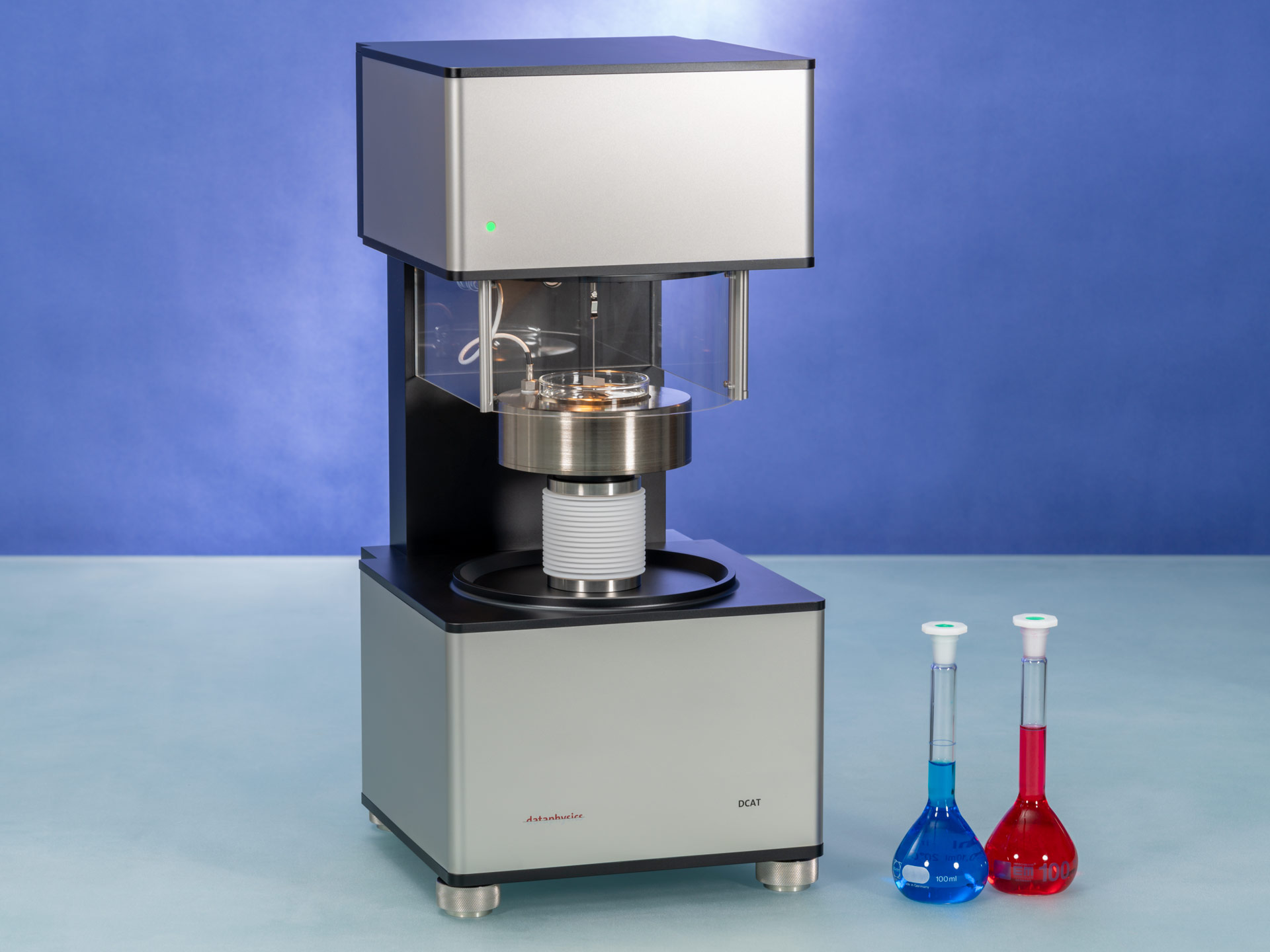
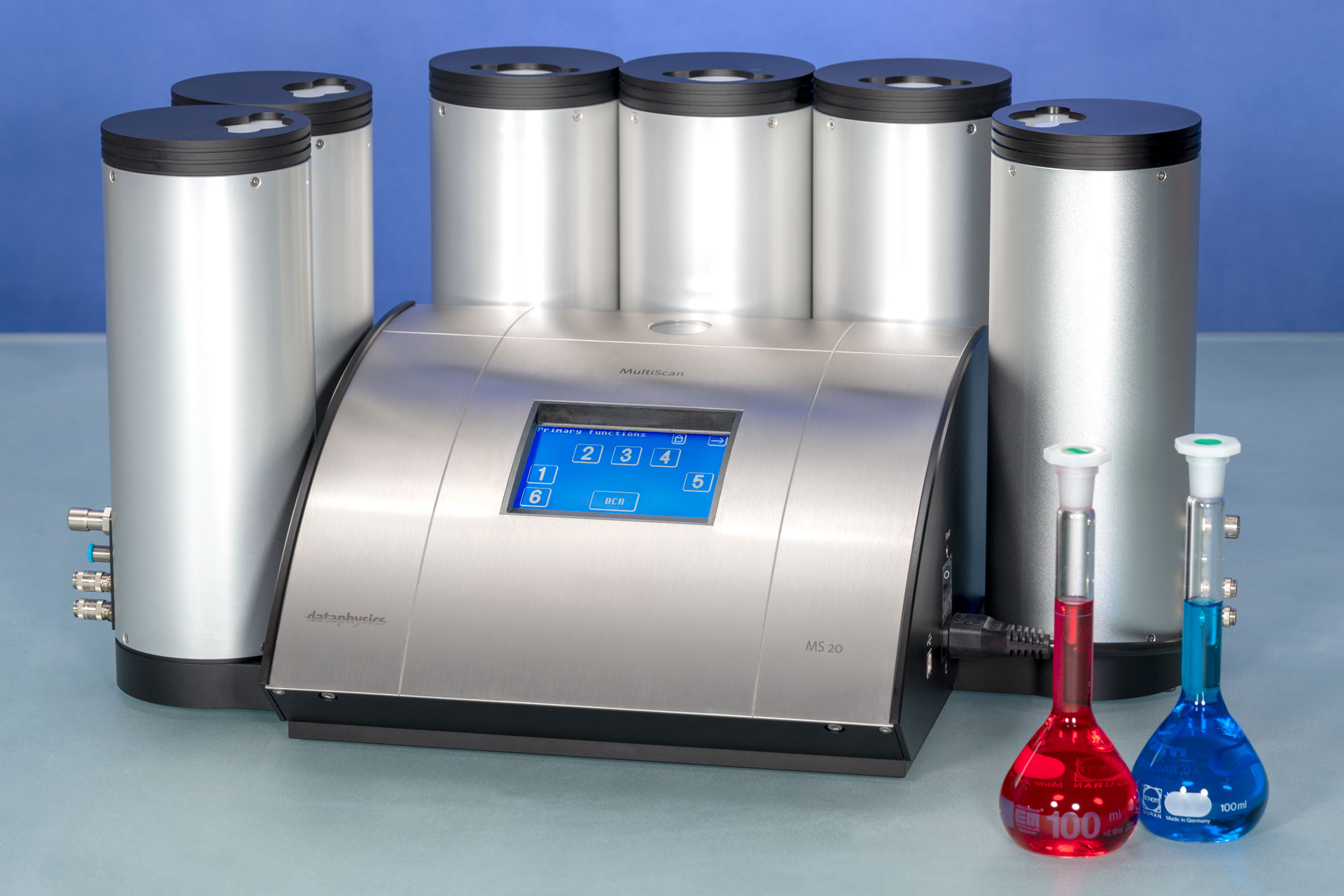
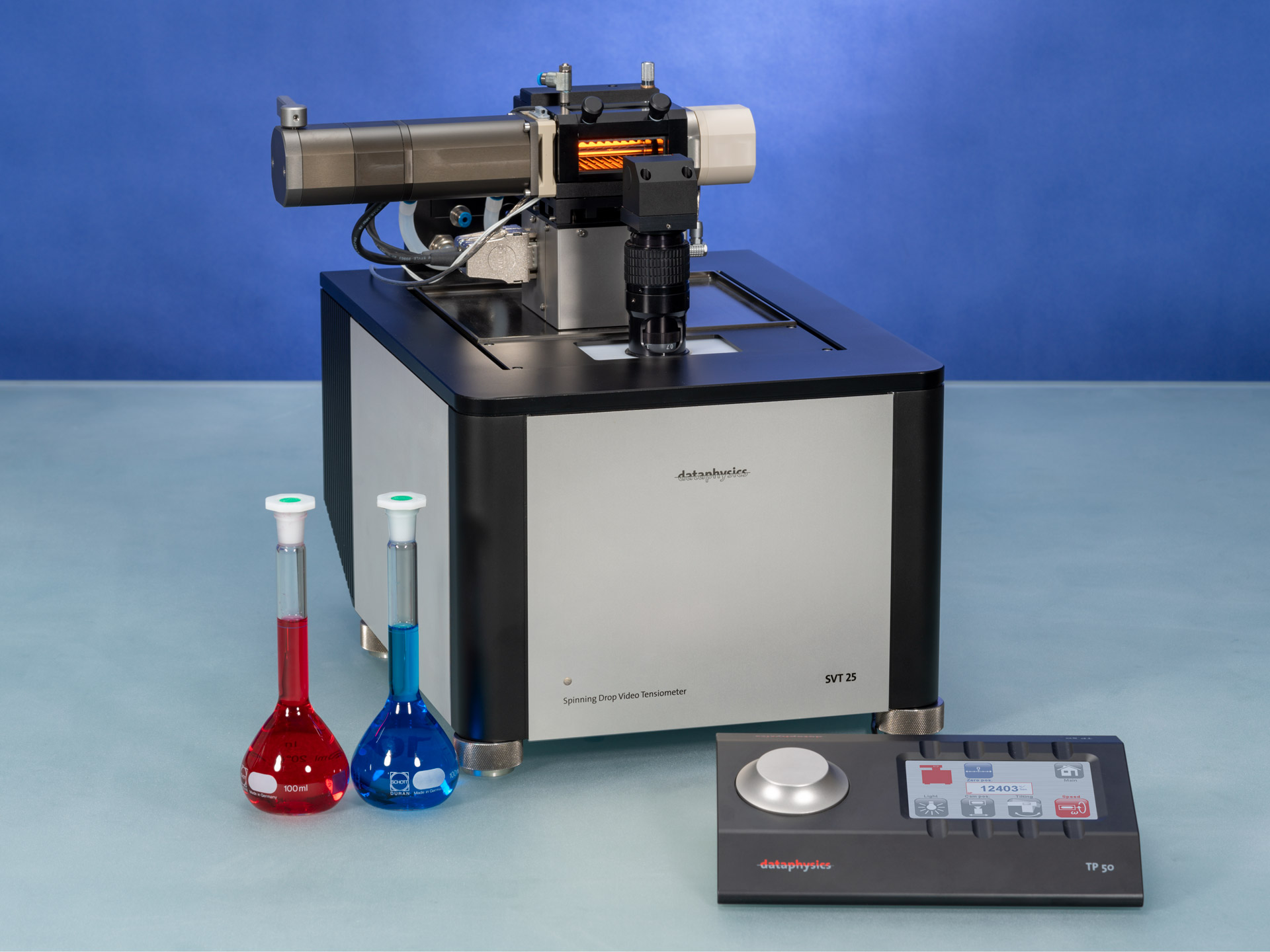
DataPhysics Instruments fournit des outils pour mesurer ces paramètres critiques. Le tensiomètre à goutte tournante SVT mesure les tensions interfaciales ultra‑faibles, facteur clé pour l’injection chimique. Le tensiomètre DCAT évalue la tension de surface et la tension interfaciale, aidant les ingénieurs à comprendre la compatibilité des fluides. Le système MultiScan surveille la stabilité des dispersions pour s’assurer que les agents injectés conservent leur efficacité.
En R&D, ces instruments permettent d’optimiser les formulations de tensioactifs, les stratégies d’injection de gaz et les procédés de récupération thermique. En production, ils soutiennent l’assurance qualité en fournissant des mesures reproductibles et automatisées qui garantissent des performances constantes. L’EOR ne consiste pas seulement à extraire davantage de pétrole — il s’agit d’ingénierie des interactions fluides complexes pour maximiser la récupération. DataPhysics Instruments donnent aux ingénieurs le contrôle nécessaire pour améliorer l’efficacité et la durabilité dans le secteur de l’énergie.
Tests et Applications Typiques
- But : Évaluer l’efficacité des tensioactifs.
- Application : Optimiser l’injection chimique.
- Bénéfice : Maximiser l’efficacité du déplacement du pétrole.
- Tension de surface et tension interfaciale (DCAT)
- But : Évaluer la compatibilité des fluides.
- Application : Concevoir des stratégies d’injection de gaz.
- Bénéfice : Améliorer la performance du réservoir.
- Surveillance de la stabilité des dispersions (MultiScan)
- But : Suivre le comportement des agents dans le temps.
- Application : Garantir la stabilité des tensioactifs.
- Bénéfice : Prolonger l’efficacité dans le réservoir.
- Analyse dynamique de l’angle de contact (OCA, DCAT)
- But : Étudier les changements de mouillabilité.
- Application : Prédire l’efficacité du déplacement.
- Bénéfice : Améliorer les taux de récupération.
- Simulation environnementale (HGC)
- But : Tester la stabilité dans des conditions de réservoir.
- Application : Valider la performance en conditions réelles.
- Bénéfice : Assurer la fiabilité des méthodes EOR.
Ressources de l'Industrie
Pas de Ressources Disponibles
Nous mettons à jour notre bibliothèque de ressources pour cette industrie. Revenez bientôt ou contactez-nous pour demander une documentation spécifique.
Demander une DocumentationProduits de Support
 Contact Angle & Surface Tension
DCAT – Appareils de mesure d’angle de contact dynamique et tensiomètre
La série DCAT polyvalente combine des dispositifs de mesure d’angle de contact dynamique et des t...
 Contact Angle & Surface Tension
MS – Système MultiScan d’analyse de stabilité de dispersion
Le MultiScan MS 20 est un analyseur optique avancé conçu pour l’analyse automatique de la stab...
 Contact Angle & Surface Tension
SVT – Tensiomètre vidéo à goutte tournante
Le SVT 25 est un instrument optique spécialisé pour mesurer les tensions interfaciales ultra-fai...

Prêt à Trouver la Bonne Solution?
Notre équipe peut vous aider à sélectionner les produits parfaits pour vos Récupération Améliorée du Pétrole applications