Enhanced Oil Recovery (EOR)
Energy & Petrochemicals Sector
Enhanced Oil Recovery (EOR) refers to advanced techniques used to extract additional crude oil from reservoirs beyond what conventional methods can achieve. These processes include...
Industry Overview
Enhanced Oil Recovery (EOR) refers to advanced techniques used to extract additional crude oil from reservoirs beyond what conventional methods can achieve. These processes include chemical flooding, gas injection, and thermal recovery. The success of EOR depends heavily on interfacial properties between oil, water, and injected agents. Measuring ultra-low interfacial tension, wettability, and dispersion stability is critical to improving recovery efficiency. DataPhysics Instruments provide specialized tools such as the SVT Spinning Drop Tensiometer, DCAT Tensiometer, and MultiScan Stability Analyzer to evaluate these parameters, enabling engineers to design effective EOR strategies that maximize yield and reduce costs.
Key Features
Oil reservoirs typically yield only a fraction of their total capacity through primary and secondary recovery methods. Enhanced Oil Recovery (EOR) techniques aim to extract the remaining oil by altering reservoir conditions and fluid interactions.
Chemical flooding involves injecting surfactants or polymers to reduce interfacial tension and improve oil mobility. Gas injection uses CO₂ or nitrogen to displace oil and enhance flow. Thermal recovery applies steam or heat to reduce oil viscosity.
The effectiveness of these methods depends on interfacial properties. Ultra-low interfacial tension between oil and water is essential for mobilizing trapped oil droplets. Wettability determines whether reservoir rock surfaces favor oil or water, influencing displacement efficiency. Dispersion stability ensures injected agents remain effective throughout the reservoir.
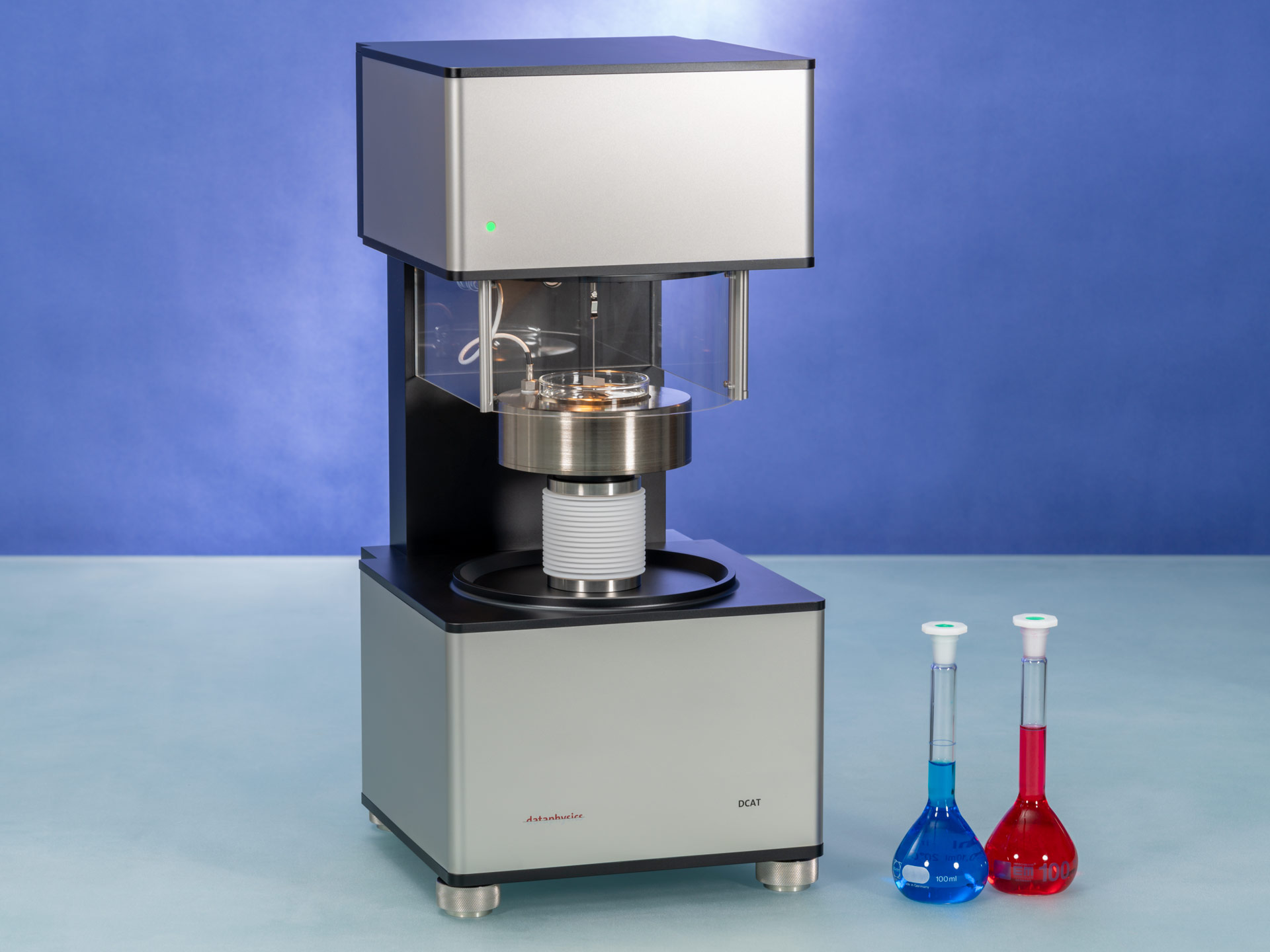
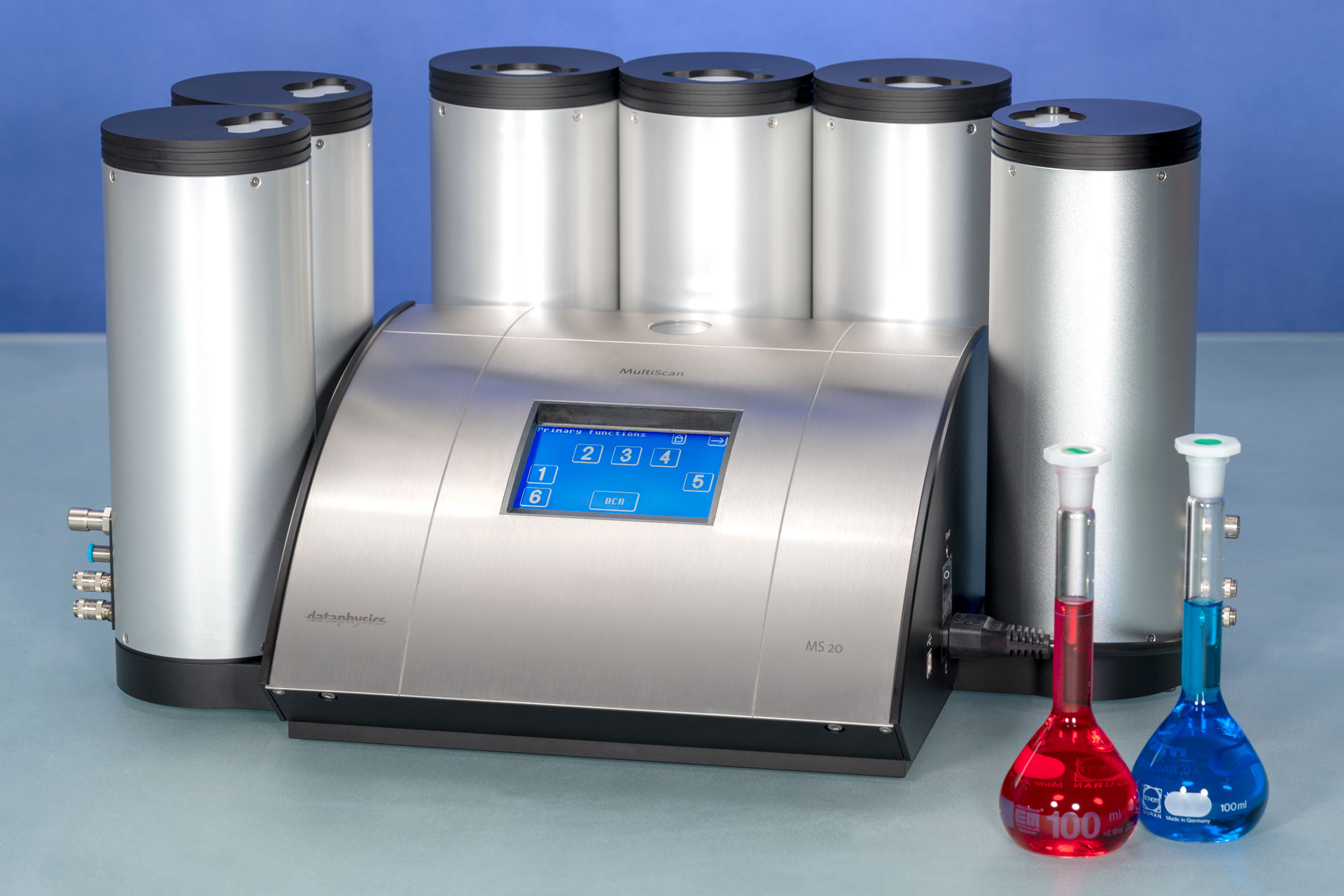
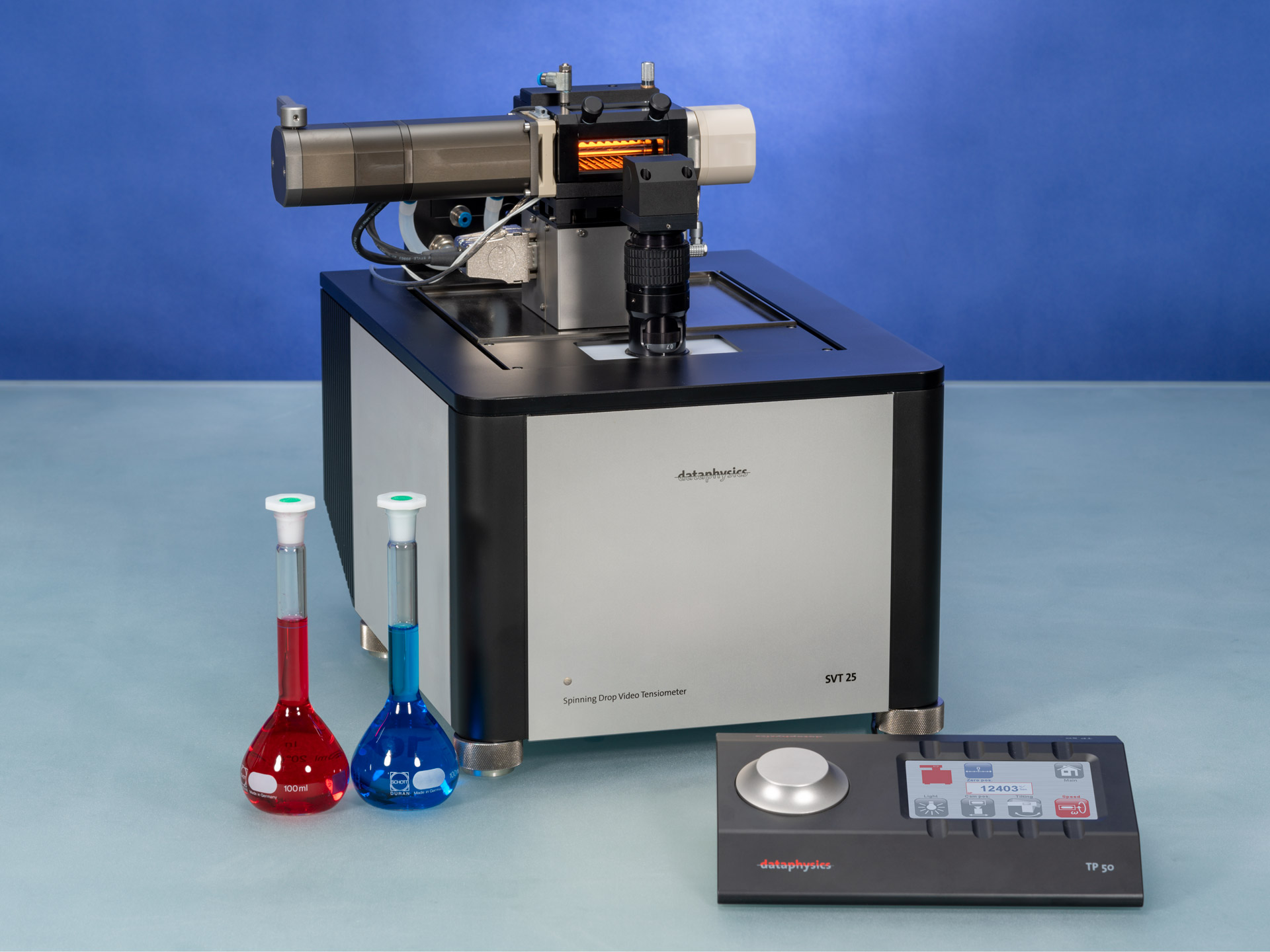
DataPhysics Instruments provide tools to measure these critical parameters. The SVT Spinning Drop Tensiometer measures ultra-low interfacial tension, a key factor in chemical flooding. The DCAT Tensiometer evaluates surface and interfacial tension, helping engineers understand fluid compatibility. The MultiScan system monitors dispersion stability, ensuring injected agents remain effective.
In R&D, these tools allow engineers to optimize surfactant formulations, gas injection strategies, and thermal recovery processes. In production, they support quality assurance by providing reproducible, automated measurements that ensure consistent performance.
EOR is not just about extracting more oil—it is about engineering complex fluid interactions to maximize recovery. DataPhysics Instruments empower engineers to achieve this control, driving efficiency and sustainability in the energy sector.
Chemical flooding involves injecting surfactants or polymers to reduce interfacial tension and improve oil mobility. Gas injection uses CO₂ or nitrogen to displace oil and enhance flow. Thermal recovery applies steam or heat to reduce oil viscosity.
The effectiveness of these methods depends on interfacial properties. Ultra-low interfacial tension between oil and water is essential for mobilizing trapped oil droplets. Wettability determines whether reservoir rock surfaces favor oil or water, influencing displacement efficiency. Dispersion stability ensures injected agents remain effective throughout the reservoir.
DataPhysics Instruments provide tools to measure these critical parameters. The SVT Spinning Drop Tensiometer measures ultra-low interfacial tension, a key factor in chemical flooding. The DCAT Tensiometer evaluates surface and interfacial tension, helping engineers understand fluid compatibility. The MultiScan system monitors dispersion stability, ensuring injected agents remain effective.
In R&D, these tools allow engineers to optimize surfactant formulations, gas injection strategies, and thermal recovery processes. In production, they support quality assurance by providing reproducible, automated measurements that ensure consistent performance.
EOR is not just about extracting more oil—it is about engineering complex fluid interactions to maximize recovery. DataPhysics Instruments empower engineers to achieve this control, driving efficiency and sustainability in the energy sector.
Typical Tests & Applications
Key tests for Enhanced Oil Recovery include:
- Ultra-Low Interfacial Tension Measurement (SVT)
- Purpose: Assess surfactant effectiveness.
- Application: Optimize chemical flooding.
- Benefit: Maximize oil displacement efficiency.
- Surface & Interfacial Tension (DCAT)
- Purpose: Evaluate fluid compatibility.
- Application: Design gas injection strategies.
- Benefit: Improve reservoir performance.
- Dispersion Stability Monitoring (MultiScan)
- Purpose: Track agent behavior over time.
- Application: Ensure surfactant stability.
- Benefit: Extend effectiveness in reservoirs.
- Dynamic Contact Angle Analysis (OCA, DCAT)
- Purpose: Study wettability changes.
- Application: Predict displacement efficiency.
- Benefit: Improve recovery rates.
- Environmental Simulation (HGC)
- Purpose: Test stability under reservoir conditions.
- Application: Validate real-world performance.
- Benefit: Ensure reliability of EOR methods.
These tests provide engineers with actionable data to design effective EOR strategies, ensuring maximum recovery and sustainability.
- Ultra-Low Interfacial Tension Measurement (SVT)
- Purpose: Assess surfactant effectiveness.
- Application: Optimize chemical flooding.
- Benefit: Maximize oil displacement efficiency.
- Surface & Interfacial Tension (DCAT)
- Purpose: Evaluate fluid compatibility.
- Application: Design gas injection strategies.
- Benefit: Improve reservoir performance.
- Dispersion Stability Monitoring (MultiScan)
- Purpose: Track agent behavior over time.
- Application: Ensure surfactant stability.
- Benefit: Extend effectiveness in reservoirs.
- Dynamic Contact Angle Analysis (OCA, DCAT)
- Purpose: Study wettability changes.
- Application: Predict displacement efficiency.
- Benefit: Improve recovery rates.
- Environmental Simulation (HGC)
- Purpose: Test stability under reservoir conditions.
- Application: Validate real-world performance.
- Benefit: Ensure reliability of EOR methods.
These tests provide engineers with actionable data to design effective EOR strategies, ensuring maximum recovery and sustainability.
Industry Resources
No Resources Available
We're currently updating our resource library for this industry. Check back soon or contact us to request specific documentation.
Request DocumentationSupporting Products
 Contact Angle & Surface Tension
DCAT – Dynamic Contact Angle measuring devices and Tensiometer
Part #: DCAT
The versatile DCAT Series combines dynamic contact angle measuring devices and force tensiometers to...
 Contact Angle & Surface Tension
MS – MultiScan dispersion stability analysis system
Part #: MS
The MultiScan MS 20 is an advanced optical analyzer designed for automatic, time- and temperature-...
 Contact Angle & Surface Tension
SVT – Spinning drop Video Tensiometer
Part #: SVT
The SVT 25 is a specialized optical instrument for measuring ultra-low interfacial tensions and dy...

Ready to Find the Right Solution?
Our team can help you select the perfect products for your Enhanced Oil Recovery (EOR) applications