Materials Science
Industry Overview
Key Features
Surface properties are critical in many applications. For example, biomedical implants must resist corrosion and promote biocompatibility. Aerospace composites require strong adhesion between layers to withstand mechanical stress. Electronic materials depend on precise surface energy for thin-film deposition.
DataPhysics Instruments provide solutions to these challenges. The OCA series measures contact angles, offering insights into wettability and adhesion. The DCAT tensiometer evaluates surface and interfacial tension, helping researchers understand fluid-material interactions. The SVT Spinning Drop Tensiometer measures ultra-low interfacial tension, critical for studying emulsions and multiphase systems.
In R&D, these tools support the development of new materials with tailored properties. They allow scientists to quantify the effects of surface treatments, coatings, and environmental exposure. In production, they support quality assurance by providing reproducible, automated measurements that ensure consistency across batches.
Materials Science is not just about creating new materials—it is about engineering surfaces and interfaces to achieve desired performance. DataPhysics Instruments empower researchers to achieve this control, driving innovation across industries.
Typical Tests & Applications
- Contact Angle Measurement (OCA)
- Purpose: Assess wettability and surface cleanliness.
- Application: Predict adhesion of coatings and adhesives.
- Benefit: Optimize surface treatments.
- Surface Free Energy (OCA)
- Purpose: Quantify energy components of surfaces.
- Application: Match materials to coatings or adhesives.
- Benefit: Improve reliability and performance.
- Surface & Interfacial Tension (DCAT)
- Purpose: Evaluate fluid-material interactions.
- Application: Optimize thin-film deposition and emulsions.
- Benefit: Enhance material functionality.
- Ultra-Low Interfacial Tension (SVT)
- Purpose: Study multiphase systems.
- Application: Investigate emulsions and composites.
- Benefit: Improve stability and performance.
- Dynamic Contact Angle & Hysteresis (OCA, DCAT)
- Purpose: Analyze advancing/receding angles.
- Application: Understand surface behavior under dynamic conditions.
- Benefit: Predict long-term performance.
These tests provide researchers with actionable data to design materials with tailored properties, ensuring innovation and reliability.
Industry Resources
No Resources Available
We're currently updating our resource library for this industry. Check back soon or contact us to request specific documentation.
Request DocumentationSupporting Products
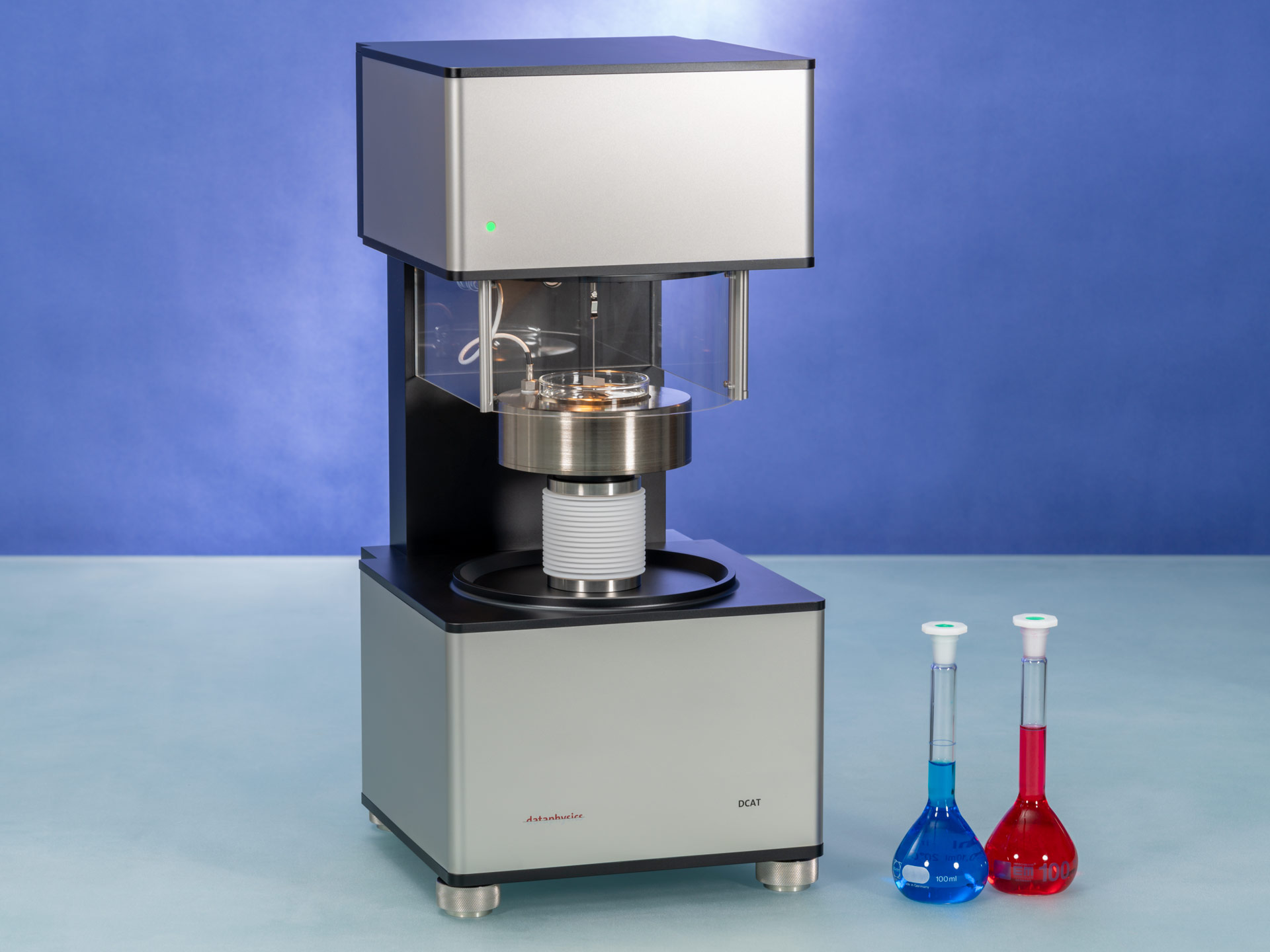 Contact Angle & Surface Tension
DCAT – Dynamic Contact Angle measuring devices and Tensiometer
The versatile DCAT Series combines dynamic contact angle measuring devices and force tensiometers to...
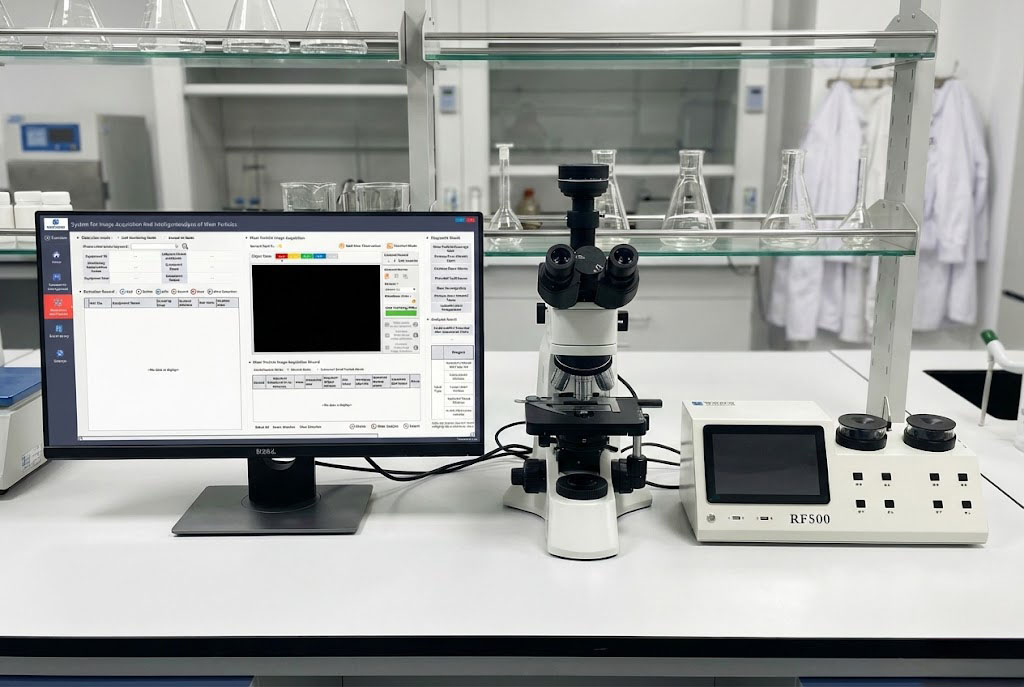 Oil Analysis
Intelligent Ferrography Lab (IFL-500 Series)
The Intelligent Ferrography Lab (IFL-500) is the world’s most advanced workstation for high-precis...
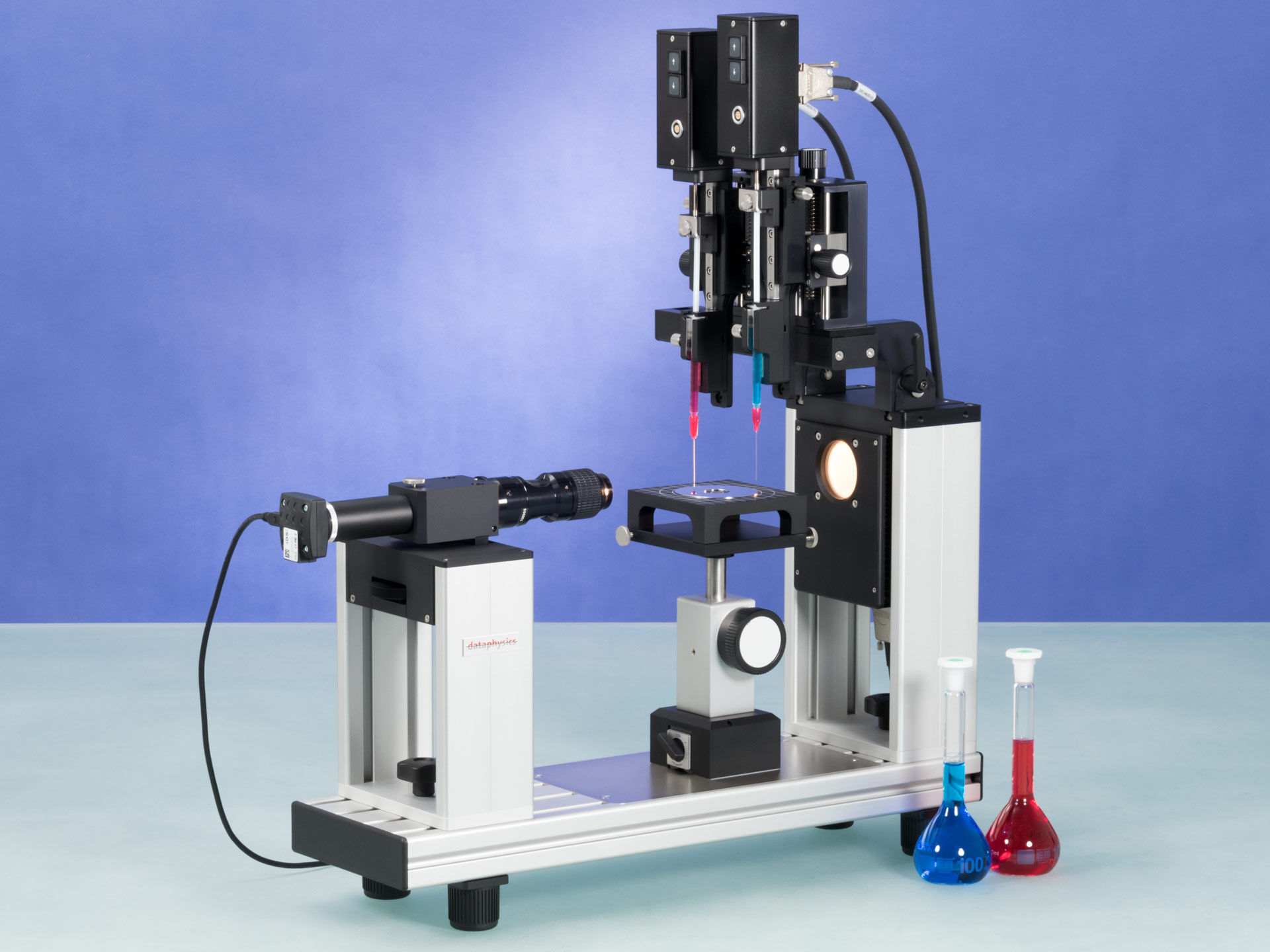 Contact Angle & Surface Tension
OCA – Optical contact angle measuring and contour analysis systems
The OCA Series by DataPhysics comprises high-precision optical contact angle goniometers and drop-sh...
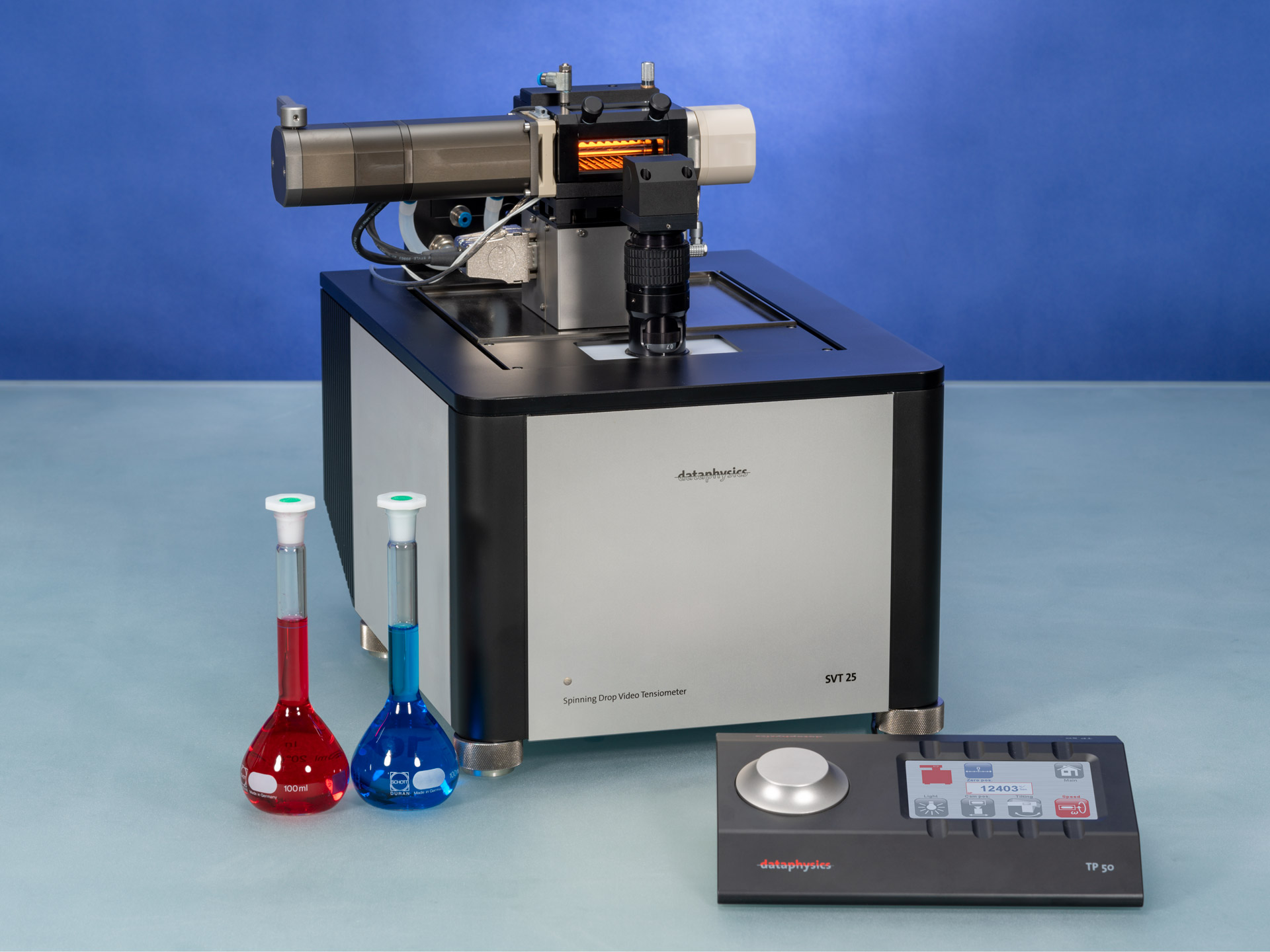 Contact Angle & Surface Tension
SVT – Spinning drop Video Tensiometer
The SVT 25 is a specialized optical instrument for measuring ultra-low interfacial tensions and dy...
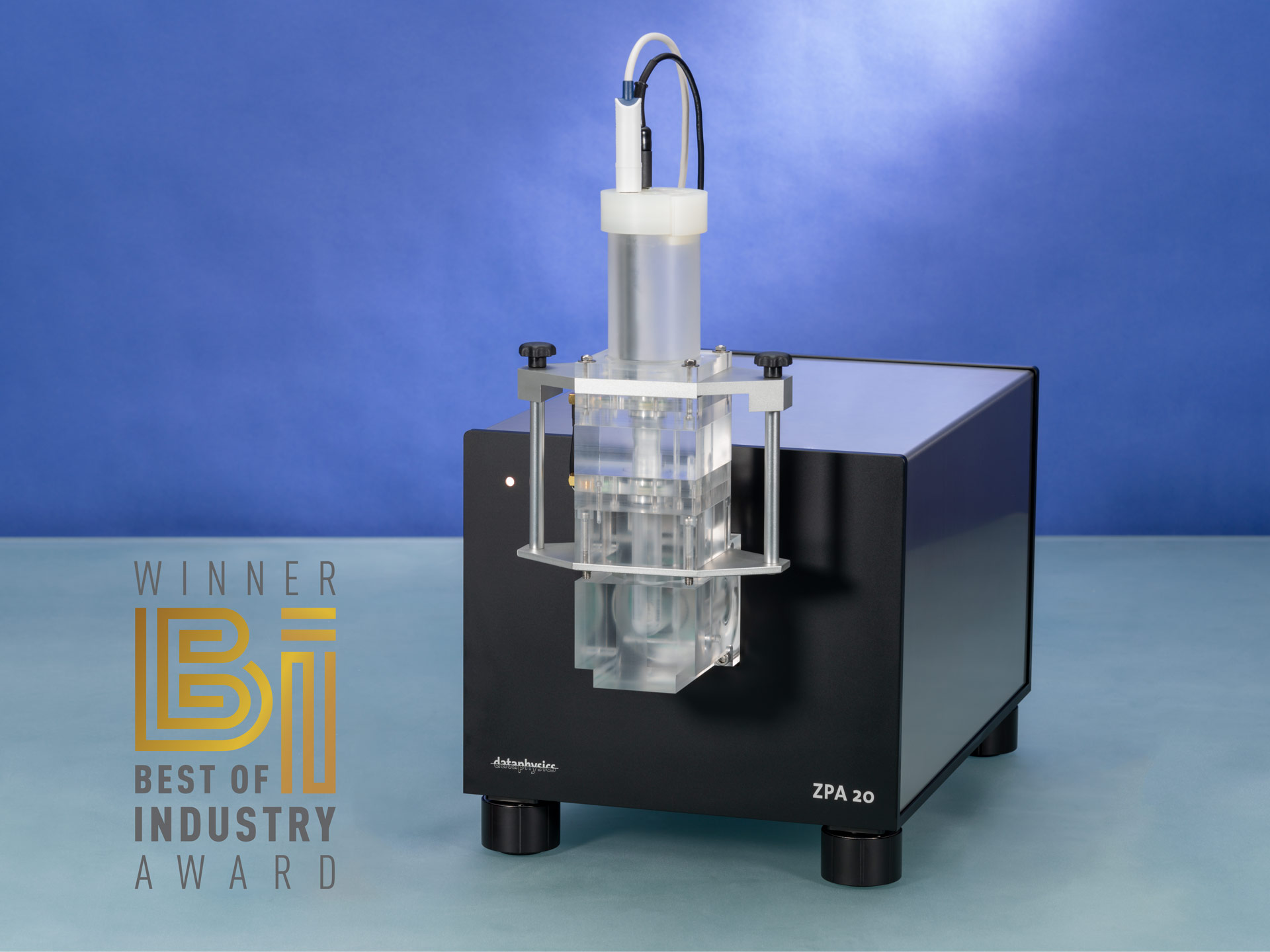 Contact Angle & Surface Tension
ZPA – Zeta Potential Analyzer
The ZPA 20 is a compact, high-precision instrument that measures surface zeta potential of macrosc...

Ready to Find the Right Solution?
Our team can help you select the perfect products for your Materials Science applications