ریسنگ (Racing)
صنعت کا جائزہ
اہم خصوصیات
Not only do the racing teams themselves take Spectro Scientific instruments to races, but the companies that design, build and test racing engines also are Spectro Scientific customers. We welcome the opportunity to continue to be of service to existing customers and to assist new customers with their oil analysis instrumentation requirements.
Challenges
The biggest concern for race teams is wear debris that can damage the engine. Being able to identify the debris tells them where the particles are coming from. Most of the top teams use Optical Emission Spectrometers to analyze up to 32 metals found in the oil. Knowing what metals are present and in what concentration allows them to trend things like engine wear and oil breakdown.
Oil viscosity is also a critical component for a high speed engine. Any breakdown in viscosity could cause an engine to fail.
عام ٹیسٹ اور ایپلی کیشنز
Particle composition - it is often important to understand the elemental composition of particles in order to find out where they came from. Optical Emission Spectroscopy gives the user elemental information for up to 32 elements, from Li to Ce (varies with application).
Chemistry
Total Base Number (TBN) - TBN measures the amount of active additive left in a sample of oil. The TBN is useful for people who want to extend their oil usage far beyond the normal range. The TBN of a used oil can aid the user in determining how much reserve additive the oil has left to neutralize acids. The lower the TBN reading, the less active additive the oil has left.
Viscosity - The main function of lubrication oil is to create and maintain a lubrication film between two moving metal surfaces. Insuring the viscosity is within recommended ranges is one of the most important tests one can run on lube oil.
Oxidation, Nitration, Sulfation - Lubricating oil at elevated temperatures can react with oxygen and nitrogen in the atmosphere, as well as sulfur in fuel, to form undesirable by-products that can affect the oil's viscosity and lead to corrosion or damage of equipment.
Contamination
Glycol - Glycol is found in engine coolant. If glycol is found in engine oil it typically indicates there is a leak in the engine that allows coolant into the oil system. Glycol reduces the oil's protective properties and can cause catastrophic damage to the engine components.
صنعتی وسائل
کوئی وسائل دستیاب نہیں
ہم فی الحال اس صنعت کے لیے اپنی وسائل کی لائبریری کو اپ ڈیٹ کر رہے ہیں۔ جلد ہی دوبارہ چیک کریں یا مخصوص دستاویزات کی درخواست کرنے کے لیے ہم سے رابطہ کریں۔
دستاویزی درخواست کریںمعاون مصنوعات
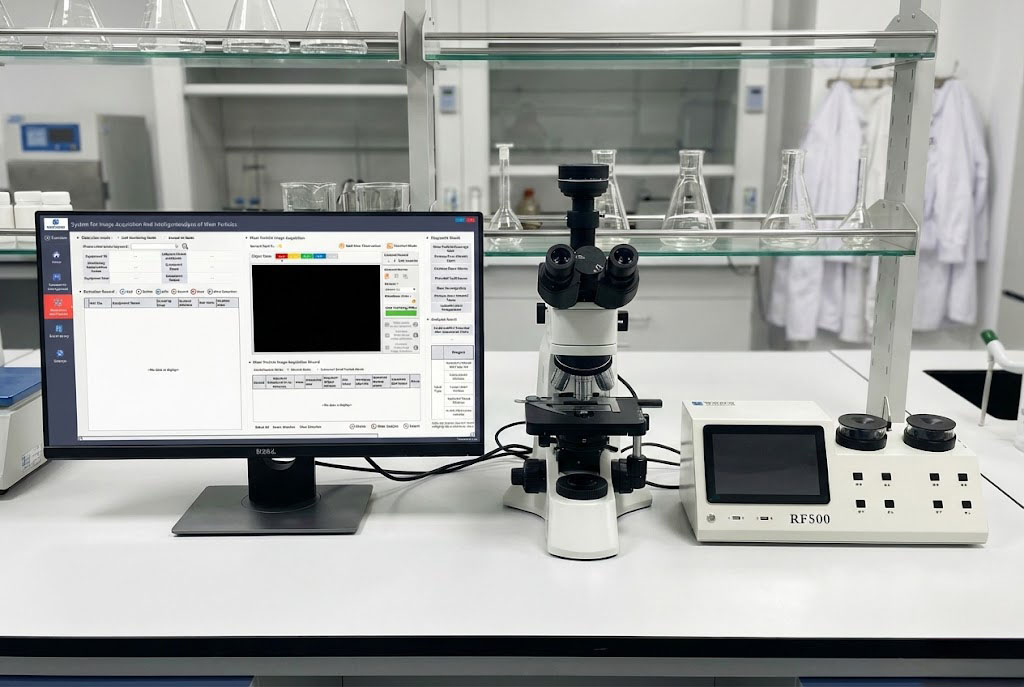 Oil Analysis
Intelligent Ferrography Lab (IFL-500 Series)
The Intelligent Ferrography Lab (IFL-500) is the world’s most advanced workstation for high-precis...
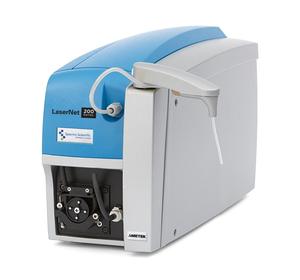 Oil Analysis
لیزر نیٹ 200 سیریز (LaserNet 200 Series)
لیزر نیٹ 200 سیریز ایک جدید خودکار پارٹیکل تجزیہ نظام ہے ...
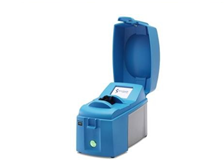 Oil Analysis
منی وسک 3000 (MiniVisc 3000)
منی ویسک 3000 ایک انقلابی پورٹیبل کینیمیٹک ویسکومیٹر ہے Ø...
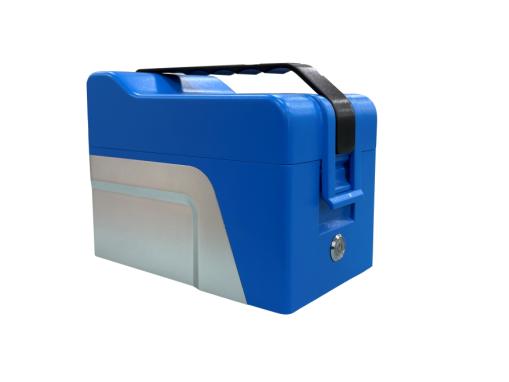 Oil Analysis
پورٹیبل کائینیٹک وسکومیٹر VS800
VS800 پورٹیبل کینیمیٹک ویسکومیٹر ایک درست، کثیر مقصدی واØ...
 Oil Analysis
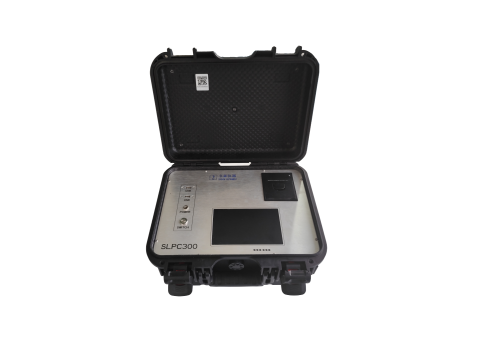
پورٹیبل آئل پارٹیکل کاؤنٹر SLPC300
SLPC300 ایک پورٹیبل آئل پارٹیکل کاؤنٹر ہے جو مختلف سیالوں Ù...
 Oil Analysis
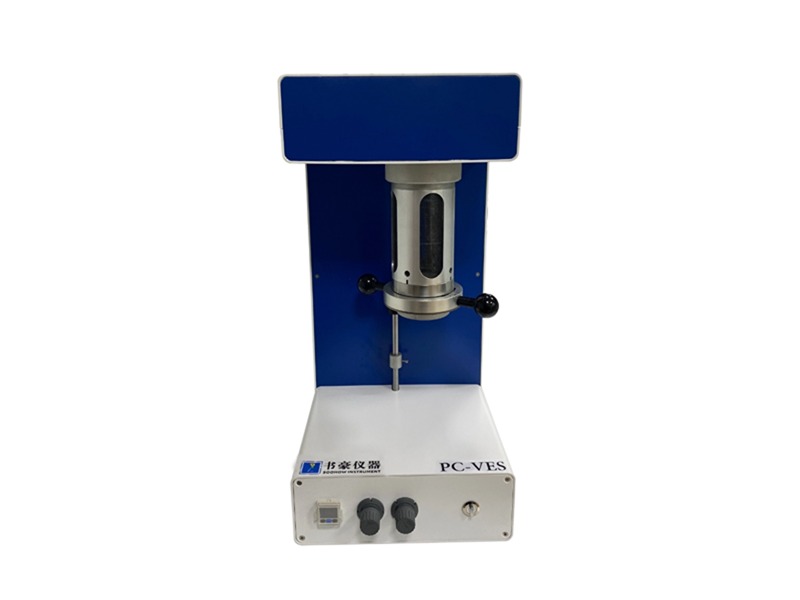
مثبت اور منفی پریشر سیمپلر PC‑VES
PC-VES ایک پورٹیبل مثبت/منفی پریشر آئل سیمپلر ہے جو زیادہ Ù...
 Oil Analysis
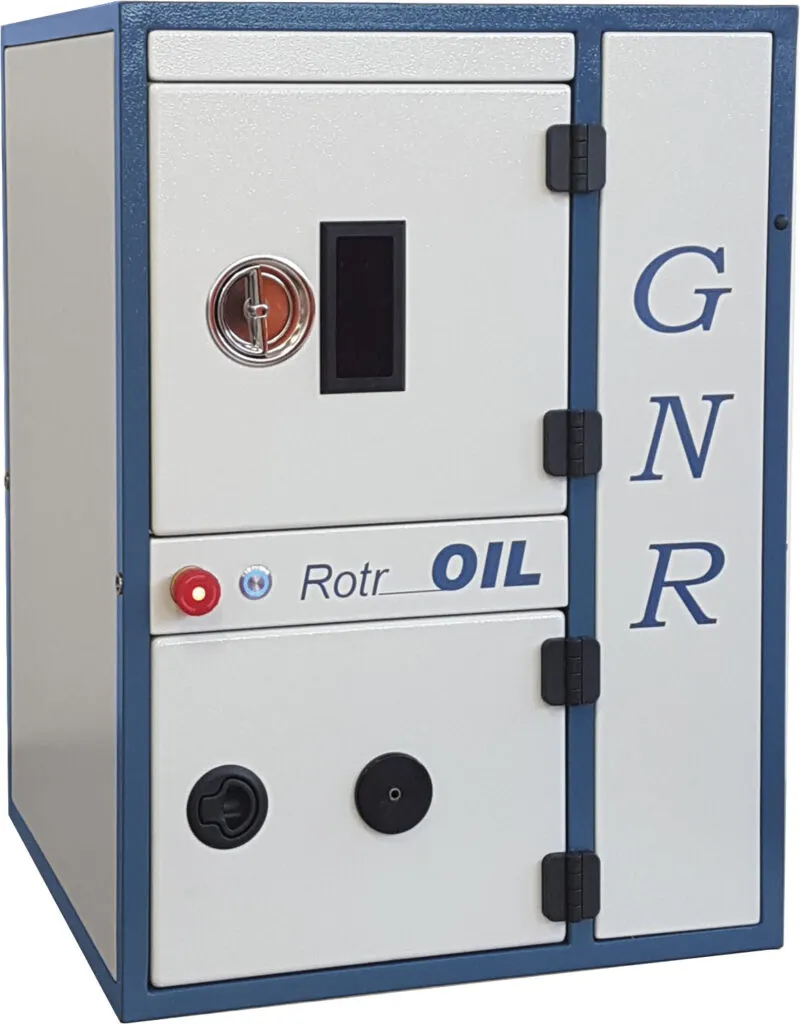
روٹر آئل (RotrOil)
روٹرآئل GNR کی جدید ترین جنریشن RDE-OES ہے جو چکنا کرنے والے ...
 Oil Analysis
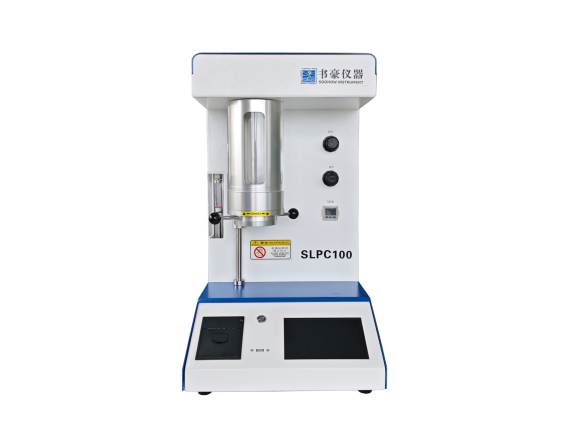
SLPC100 ڈیسک ٹاپ آئل پارٹیکل کاؤنٹر
SLPC100 ایک ڈیسک ٹاپ آئل پارٹیکل کاؤنٹر ہے جو لائٹ آبسکوریØ...
 Oil Analysis
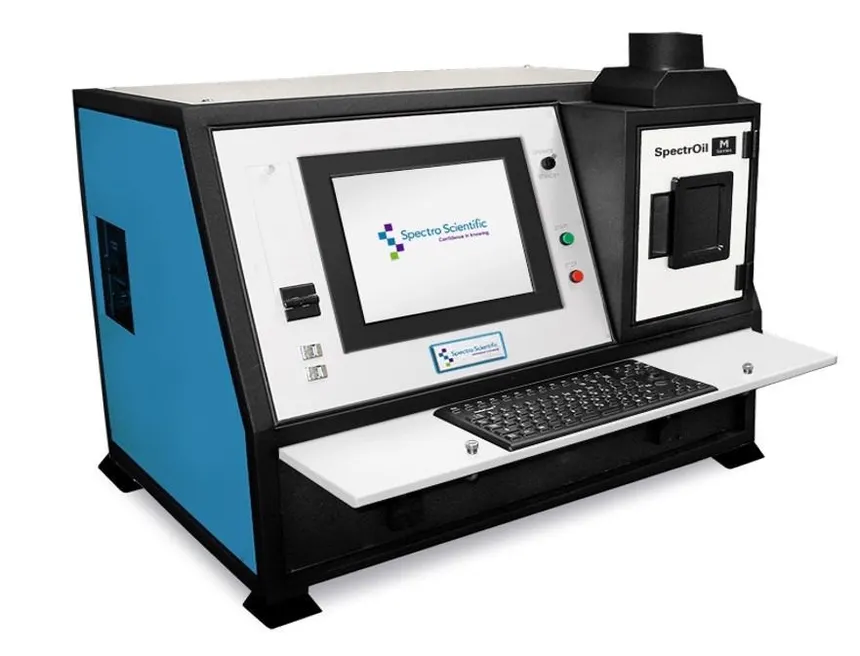
سپیکٹرآئل M سیریز (SpectrOil M Series)
اسپیکٹروآئل M سیریز ایک کمپیکٹ اور قابل اعتماد RDE-OES اسپÛ...
 Oil Analysis
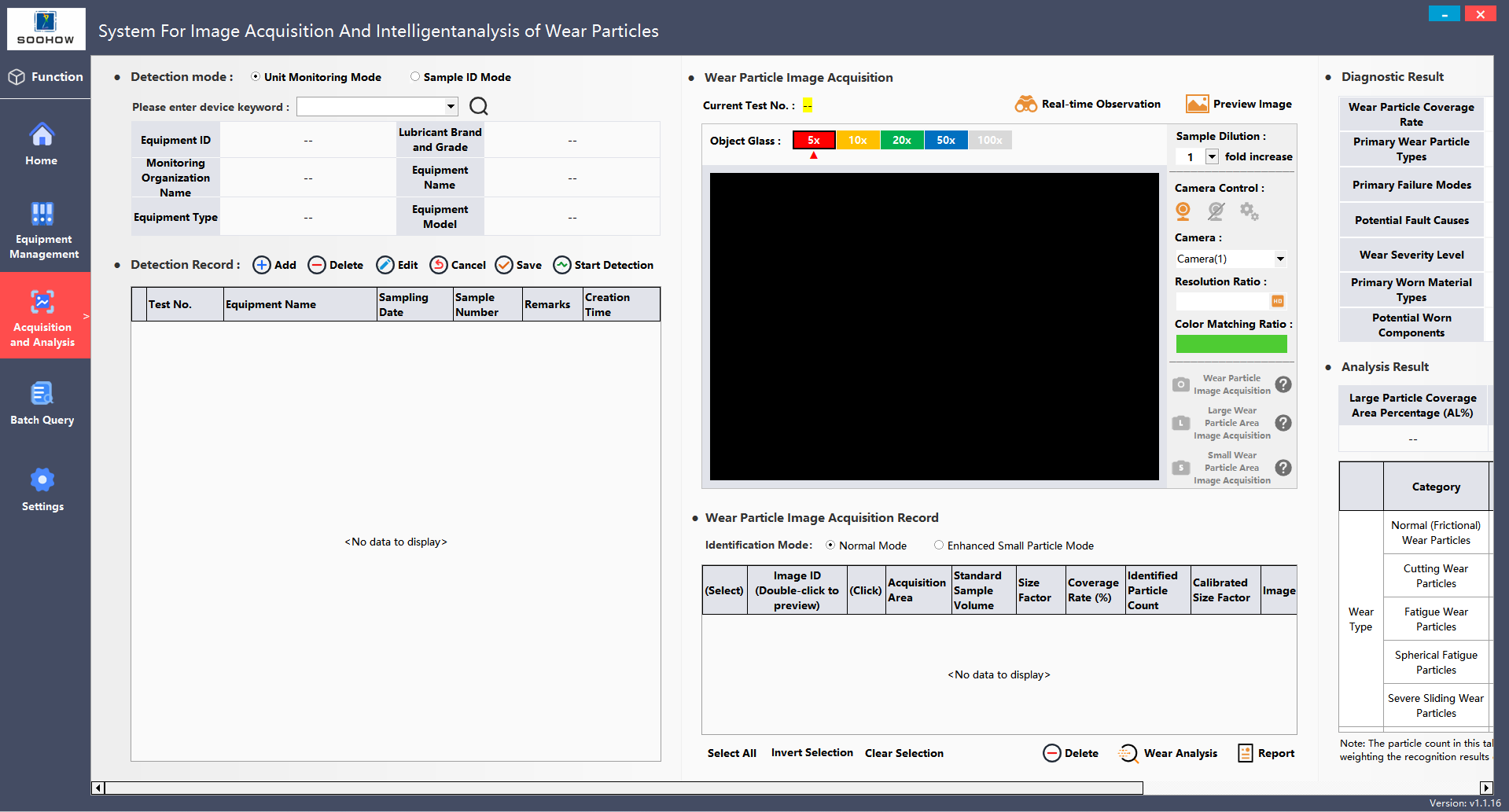
AI سے لیس ویئر پارٹیکل امیج ایکوزیشن اور انٹیلیجنٹ اینالیسس سسٹم
یہ جدید سسٹم جدید فیروگرافی اور آئل کنڈیشن مانیٹرنگ کے ...
صحیح حل تلاش کرنے کے لیے تیار ہیں؟
ہماری ٹیم آپ کی مدد کر سکتی ہے بہترین مصنوعات منتخب کرنے میں برائے ریسنگ (Racing) ایپلی کیشنز